In the Navigation pane (sidebar), click on iCloud Photos. If you're using an earlier version of iCloud for Windows, go to Favorites iCloud Photos. In another window, open the folder where you currently store the photos that you want to add to iCloud Photos. Select the photos that you want to add. Drag them into the iCloud Photos folder. The only down side was that it had to sync my entire library again. It says that it is uploading all of my photos again, but this is obviously not true. It did use quite a bit of bandwidth but it wasn't as much as a whole library upload would take, so I'm fairly certain that it was really actually synchronising the local and iCloud libraries. ICloud Photos allows you to sync and access your photos on all your iCloud compatible devices. This feature works just fine most of the time. However, sometimes you may find that iCloud Photos are not syncing. When this happens, your photos won’t upload from your device to the iCloud service. There are many reasons this happens.
6 Solutions - Fix iCloud Photo Library Not Uploading Photos Problem
Keep in mind that the upload speed relies heavily on your cable. Generally, photo upload is very slow on iCloud especially when a full library is uploaded. If there are iPhone videos to be uploaded to iCloud, it's going to take even longer. It will be quite normal to take hours for a large photo library. This is not an iCloud photos not uploading problem and you may just wait. If you find the iCloud Photo Library stuck uploading from Mac on iPhone XS/SR/X/8/7/6S or iPad, try the fixes below.
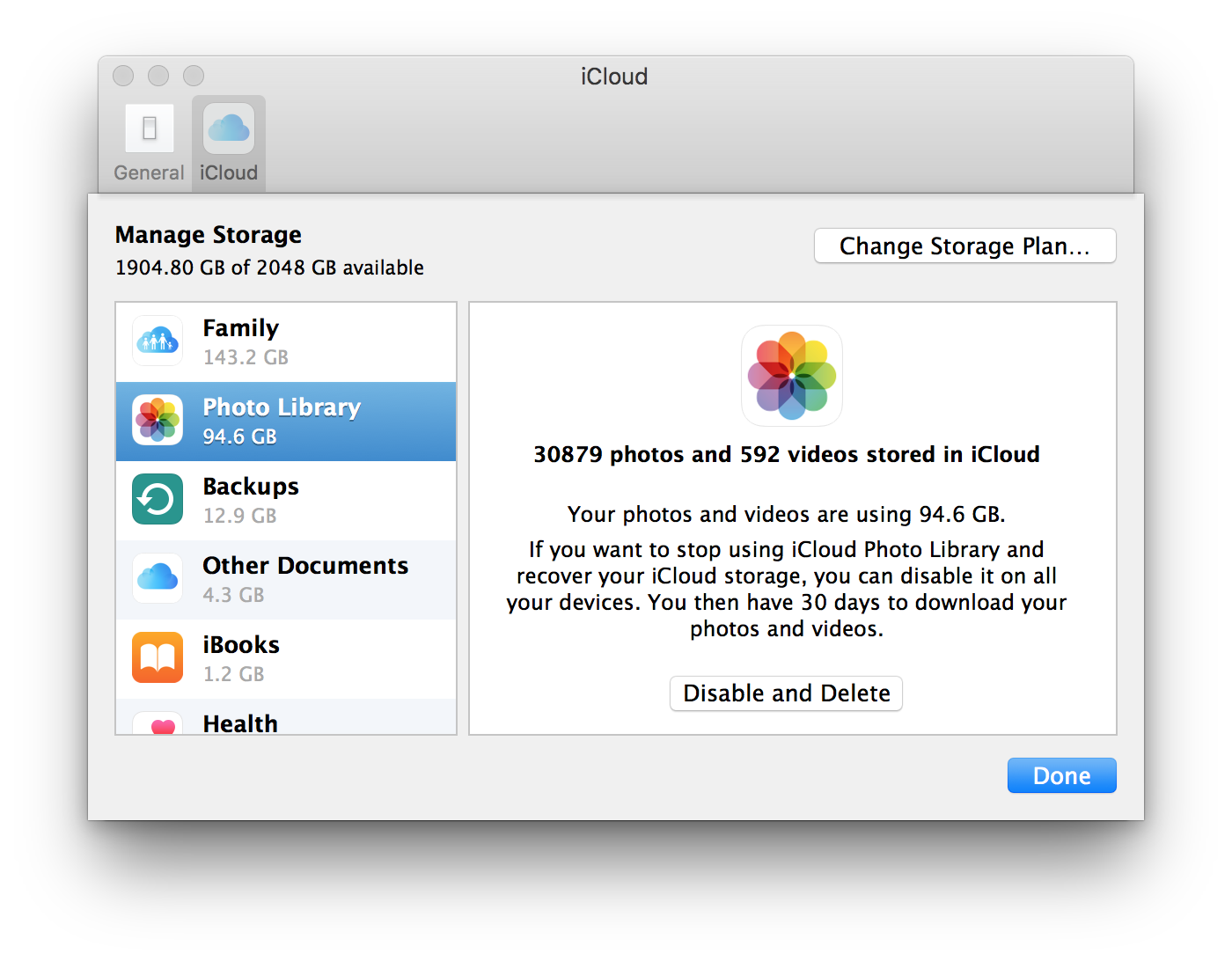
1. Check if you have enough space on iCloud
If you have updated to iOS 11/12, the two new formats HEVC and HEIF will cut half the storage of your photos. If you're not an early adopter, you should know that the 12-megapixel photos, live photos and 4K recordings will still take large space - generally the size of a Live photo (HDR) taken from iPhone is in the range of 3-4MB, 1MB larger than still photo.
Specifically, up to 2000 photos will consume iCloud 5GB storage and lead to iCloud storage full error. If your iPhone photos won't upload to iCloud, check Settings > iCloud > Storage.
2. Sign out iCloud and sign back in
Sometimes the basic solutions turn out to be something you may ignore. After I did a good deal of searches on various forums and found a user with photos not uploading to iCloud Photo Library citing that the Apple Support told him to sign out of iCloud and then sign in. And the fix works for many users. Another similar fix is to toggle iCloud Photos on and off, that also helps!
3. Reset your network settings
As photos to iCloud uploading involves the network, Wi-Fi is a must-check when iCloud Photo Library not uploading photos or icloud photos not syncing to Mac. You can either forget this network and rejoin: Settings > Wi-Fi > Choose Home Network> Forget This Network > turn off Wi-Fi from your iPhone > turn it on and rejoin the Wifi network; or reboot your home Wi-Fi. Then try again to see if your iCloud photo uploading is back to normal.
4. Make sure your device has enough space
For some users who is uploading their photos to iCloud for freeing up space on their device can hardly have any extra room. But many users don't know that if your device is too crowded, the problem of 'iCloud backup couldn't be completed' also happens. Though Apple support page doesn't specify this, at least 500MB of storage is required on the iPhone or iPad. So you may need to free up space on iPhone iPad if necessary.
5. Clear your camera roll
A user also mentioned that a full deletion of the photos from the device will help fix iCloud photos not syncing to Mac. Specifically, you need to transfer all photos from iPhone to Mac, clear out your camera roll on iPhone and then re-import the pictures you want to upload to iCloud. To do this, you can use Image Capture, iTunes or a third-party iPhone file manager.
6. Turn to other photo backup solution
As mentioned above, iCloud is great for uploading a small group of photos taken on a device and is usually slow for a bulk upload. Even if you don't have problem with photos not uploading to iCloud Photo Library, it's quite common that it takes hours and days for uploading thousands of photos.

'My 5000 + photos were uploaded in a couple of days.', 'For me it took 4-5 days to upload about 1700 photos.', 'It took me about 5 days to complete'... If you're tired of hours and days of babysitting during which you have to make sure the battery is full, the photos app open and the Wi-Fi is connected, and if you simply want to free up more space and keep your photos safe, you can backup them to your computer with a third-party app. The app for me is called MacX MediaTrans.
How iCloud Photos works
iCloud Photos automatically keeps every photo and video you take in iCloud, so you can access your library from any device, anytime you want. Any changes you make to your collection on one device change on your other devices too. Your photos and videos are organized into Years, Months, Days, and All Photos.And all of your Memories and People are updated everywhere. That way you can quickly find the moment, family member, or friend you're looking for.
Depending on your internet speed, the time it takes for you to see your photos and videos on all of your devices and iCloud.com might vary.
Turn on iCloud Photos
Make sure that you set up iCloud and sign in to iCloud with the same Apple ID on all of your devices. If you have a PC, you need Windows 7 or later and iCloud for Windows.
On your iPhone, iPad, or iPod touch
- Go to Settings > [your name].
- Tap iCloud.
- Tap Photos, then turn on iCloud Photos.
On your Mac
- Choose Apple menu > System Preferences.
- Click Apple ID.
- Click iCloud in the sidebar, then select Photos.
If you have an earlier version of macOS, go to System Preferences > iCloud. Click Options next to Photos, then select iCloud Photos.
On Apple TV 4K and Apple TV HD
- Go to Settings > Users and Accounts.
- Select iCloud.
- Turn on iCloud Photos.
On your Windows PC
Learn how to set up and use iCloud Photos on your PC.
What happens when you edit or delete photos
Your photos and videos are stored in iCloud in their original formats at full resolution. This includes HEIF, JPEG, RAW, PNG, GIF, TIFF, HEVC, and MP4 as well as special formats you capture with your iPhone or iPad, like slo-mo, time-lapse, 4K videos, and Live Photos. The photos and videos you capture with these devices are in HEIF and HEVC format. When you edit or delete photos or videos, it's reflected across all of your devices.
Edits show up on all of your devices
When you make edits in the Photos app on your iPhone, iPad, or iPod touch or on your Mac, the photo automatically updates across all your devices, including your Apple TV. So when you crop or enhance a photo from your iPhone, you see the changes when you access your library from your Mac. Your original photos and videos are stored in iCloud and you can go back to them at any time, and revert any changes you made.
Photos delete from all of your devices
The photos and videos that you delete on one device are deleted everywhere that you use iCloud Photos. Photos and videos stay in the Recently Deleted folder for 30 days before they're deleted permanently.
Download copies of your photos and videos
When you turn on iCloud Photos, your photos and videos automatically upload to iCloud. They're not duplicated in your iCloud backup, so you should keep backup copies of your library. Use the steps below to download copies of your photos and videos to your Mac or PC. Or you can import your library to your Mac or PC.
Download your photos and videos from iCloud.com
- On iCloud.com, click Photos.
- Select the photos and videos that you want to download.
- Click and hold the download button in the upper-right corner of the window. If you want to download your content as it was originally captured or imported, choose Unmodified Original. For JPEG or H.264 format — including edits, and even if it was orginally in HEIF or HEVC format — choose Most Compatible.
- Click download.
Download photos and videos from your iPhone, iPad, or iPod touch
- Open the Photos app, then select one or more photos or videos.
- Tap the share button .
- Tap AirDrop, then select the device that you want to share with. Learn more about using AirDrop.
Download photos and videos from your Mac
- On your Mac, open the Photos app.
- Select one or more photos or videos.
- Drag the content to your desktop, or Control-click and select Share > AirDrop.
Make sure that you have enough storage
The photos and videos that you keep in iCloud Photos use your iCloud storage and your device storage. And as long as you have enough space in iCloud and on your device, you can store as many photos and videos as you like. Learn more about iCloud storage and device storage.
If you need more iCloud storage
Icloud Photo Library Not Uploading Mac Sierra Free
When you sign up for iCloud, you automatically get 5GB of free storage. If you need more space, you can buy more iCloud storage. Plans start at 50GB for $0.99 (USD) a month. If you choose 200GB or 2TB plans, you can share your storage with family. Learn how to buy more iCloud storage.
If you need more device storage
iCloud Photos keeps all your photos and videos in their original, high-resolution version. To save storage space on your device, you can turn on Optimize Storage.
If you turn on Optimize Storage, iCloud Photos automatically manages the size of your library on your device. Your original photos and videos are stored in iCloud and space-saving versions are kept on your device. Your library is optimized only when you need space, starting with the photos and videos you access least. You can download the original photos and videos over Wi-Fi or cellular when you need them.
If you turn on Download Originals, iCloud Photos keeps your original, full-resolution photos and videos in iCloud and on your device.
On your iPhone, iPad or iPod touch
- Go to Settings > [your name] > iCloud.
- Tap Photos.
- Choose Optimize [device] Storage.
On your Mac
- Open the Photos app and click Photos in the menu bar.
- Click Preferences.
- Go to the iCloud tab and choose a storage setting.
Pause library uploads to iCloud
When you turn on iCloud Photos, the time it takes for your photos and videos to upload to iCloud depends on the size of your collection and your internet speed. If you have a large collection of photos and videos, your upload might take more time than usual. You can see the status and pause the upload for one day.
- On your iPhone, iPad, or iPod touch, open the Photos app, go to the Library tab, and tap All Photos. Then scroll to the bottom of your screen.
- On your Mac, open the Photos app. Select Library in the sidebar, then click All Photos in the list of tabs in the toolbar. Scroll to the bottom of your photos and click Pause.
Icloud Photo Library Not Uploading Mac Sierra Download
Learn more
Icloud Photo Library Not Uploading Mac Sierra Update
- Rediscover favorite and forgotten occasions from your photo library with Memories.
- Learn what to do if you're missing photos in the Photos app.
- Learn about deleting photos on your iPhone, iPad, or iPod touch.